
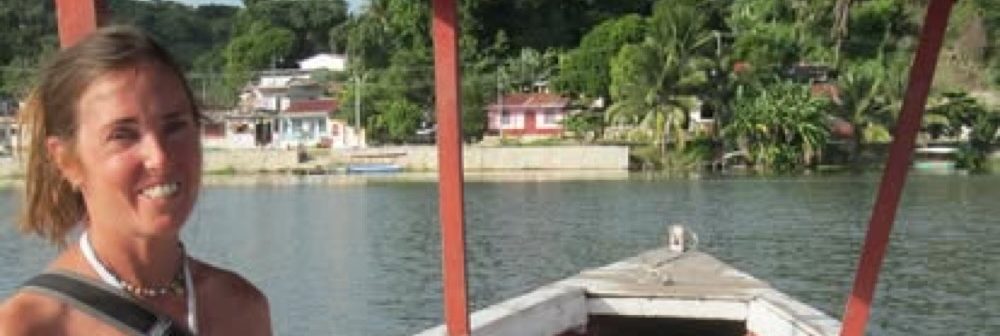

July 31, 2022. I’ve visited my childhood friend Anne a few times since 2010, my first time in Europe as an adult. Her father had worked with my mom at Lockheed, and John became my second dad. An avid sailor and photographer, he taught me to sail his beloved Colombia 21, Amy. Most weekends over the course of 5 years or so, he would pick me up on the way to the Berkeley marina. He was a kind soul but our politics were at odds. He was a staunch anti-immigrant conservative, while I felt all should be welcome. He had 2 daughters and a son, Margie, Anne, and Johnnie, and Anne shared his love of photography and writing. She fell in love with a German and moved to Europe in 1973. She has stayed all these years, and has 2 lovely sons. I love her compact, comfortable rowhouse-style condominium, which has a similar look and feel to that of Roel and Coosje’s place in Eibergen, Netherlands.
I hadn’t seen her for a few years. We sat and chatted over breakfast, catching up. I had planned to spend time in Landsberg later that morning— still one of my favorite places in Germany. Our talk went longer than expected, and I arrived at the walled city at 12:30 with a few hours to spare before a potluck with a group of Anne’s friends involved in wilderness conservation projects.

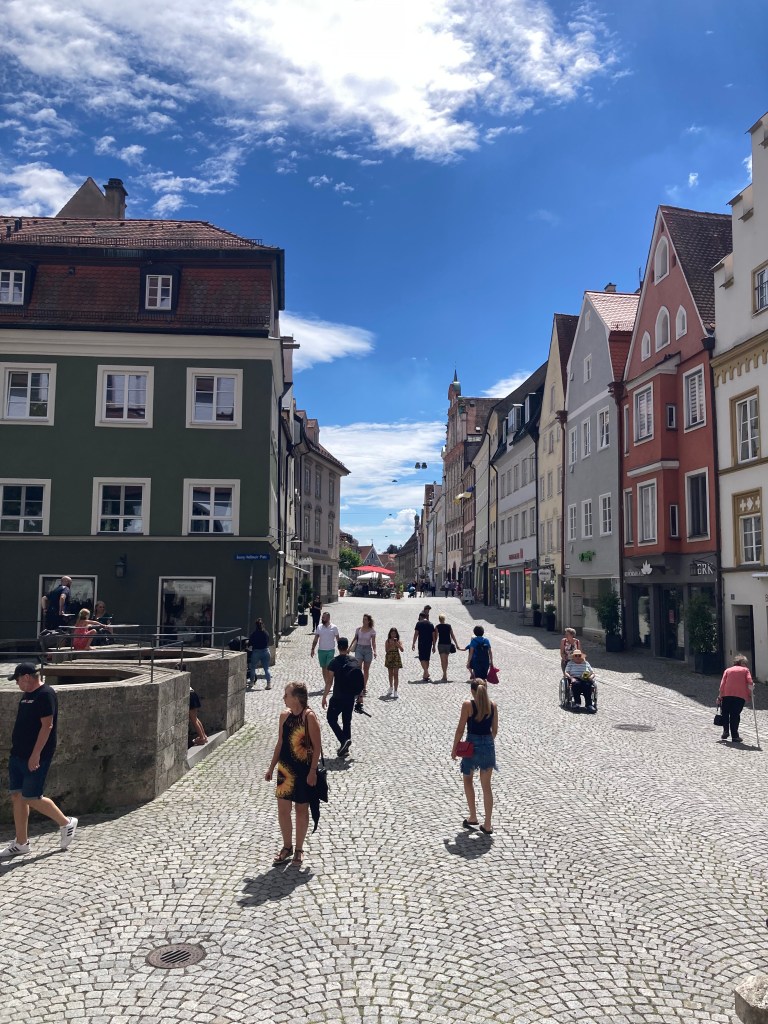
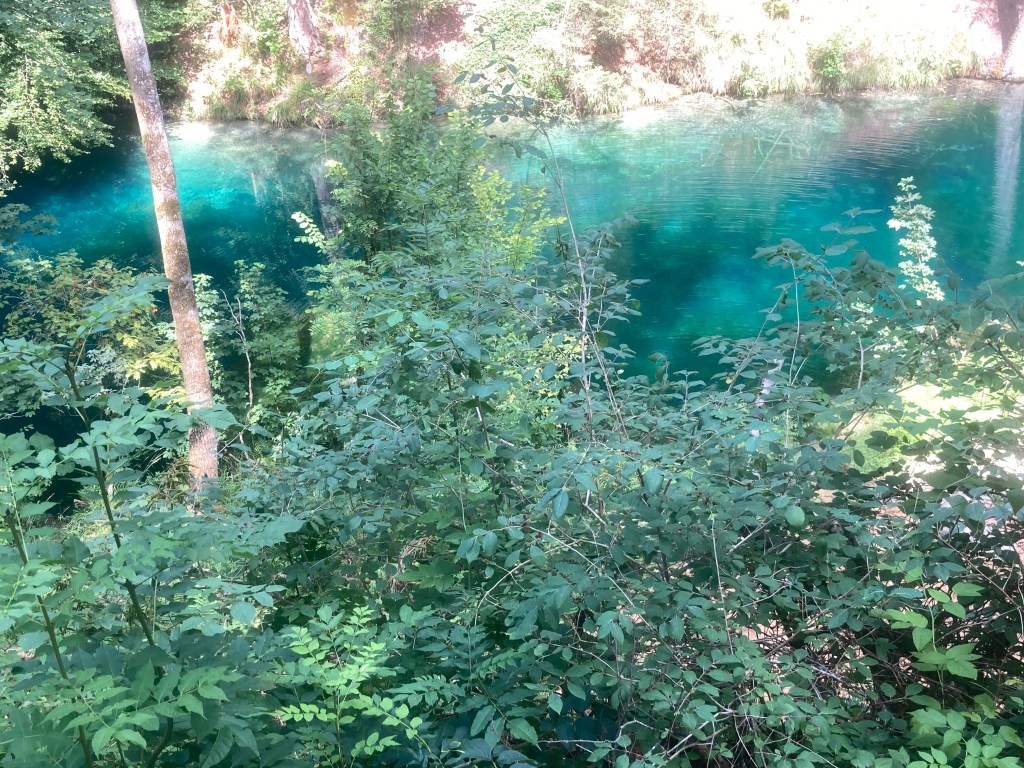
Even so, I squeezed in a quick walk around — most places were closed since it was Sunday, and I debated getting ice cream but decided to wait. I ducked into the main church and ended up spending a good while there reading about the guild altars — really interesting. Then I did my usual favorite walk along the Lech toward that beautiful spring-fed pool, which had this amazing greenish-blue color today. I ended up walking 6 miles.


We cut up some nectarines and sped off to the potluck. It was in a nature preserve not surprisingly. The people were lovely. I chatted with Keith, a Scottish guy married to a German woman. He told me all about the conservation efforts they’re doing in the moorlands to protect lapwing birds and others that nest in the grasslands — trying to get farmers to delay their mowing schedules. Then I met a young guy who actually monitors the nests and speaks with the farmers directly. So dedicated.
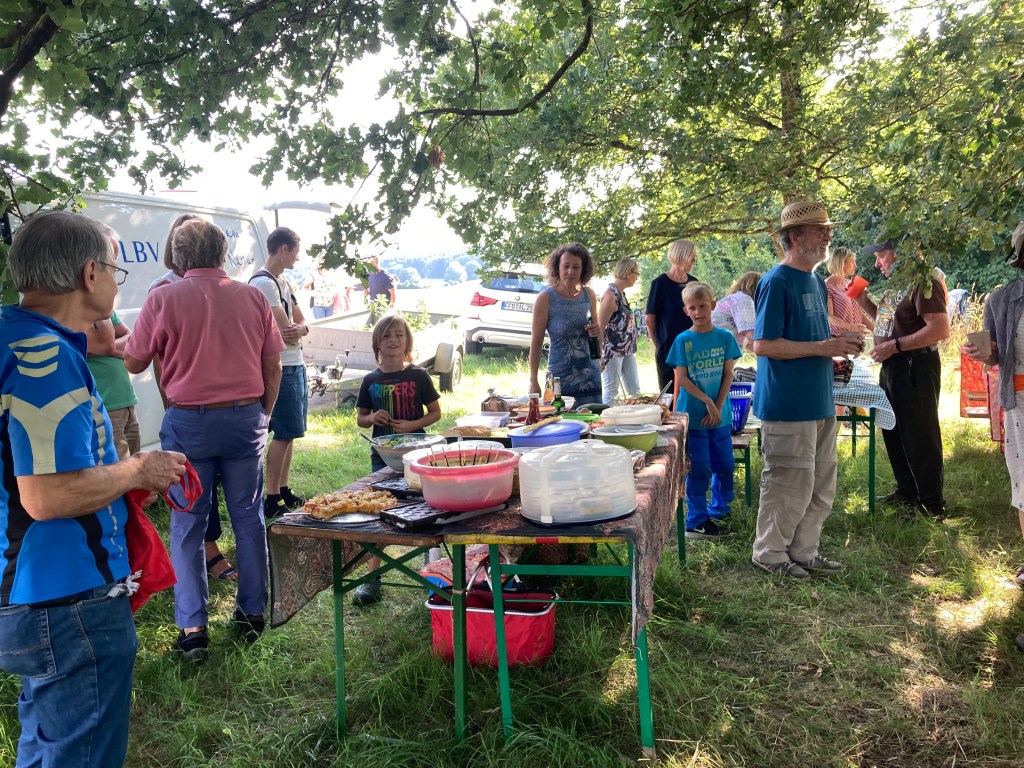
The potluck was great — lots of tasty homemade food. We played some fun games, one where people acted things out, and another where we had to describe things to blindfolded folks. Stayed until sunset, around 9, then drove back through a string of small villages, the kind that glow softly in the evening light.

August 1. Anne shared a bunch of her favorite hiking spots this morning — pulled out her maps and pointed out places around Füssen and Staffelsee in the moors. I wrote everything down and then drove back to Landsberg. Stopped for a latte (at Il Bar) and couldn’t resist their homemade tiramisu — yum.

Wandered through town again, took more photos, walked up the hill behind the town, and went inside this crazy ornate rococo cloister church. Always love seeing the town come alive with people. Craved ice cream but Michael Dillinger’s was mostly out — tragic.


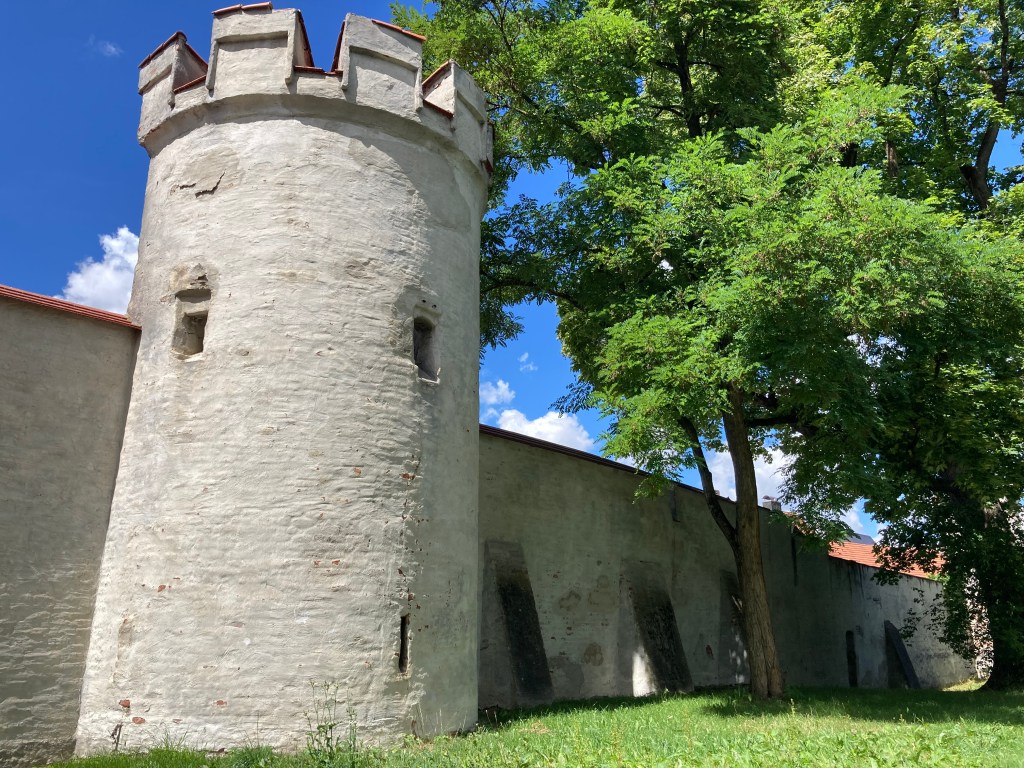
Left town and headed to Schongau, a pretty walled town. Tried to visit the cloister garden but there was no way in — did find a path outside the city walls though, guarded (unofficially?) by an old woman in a wheelchair. Popped into a natural foods shop where a man was tutoring his daughter. Sweet moment.
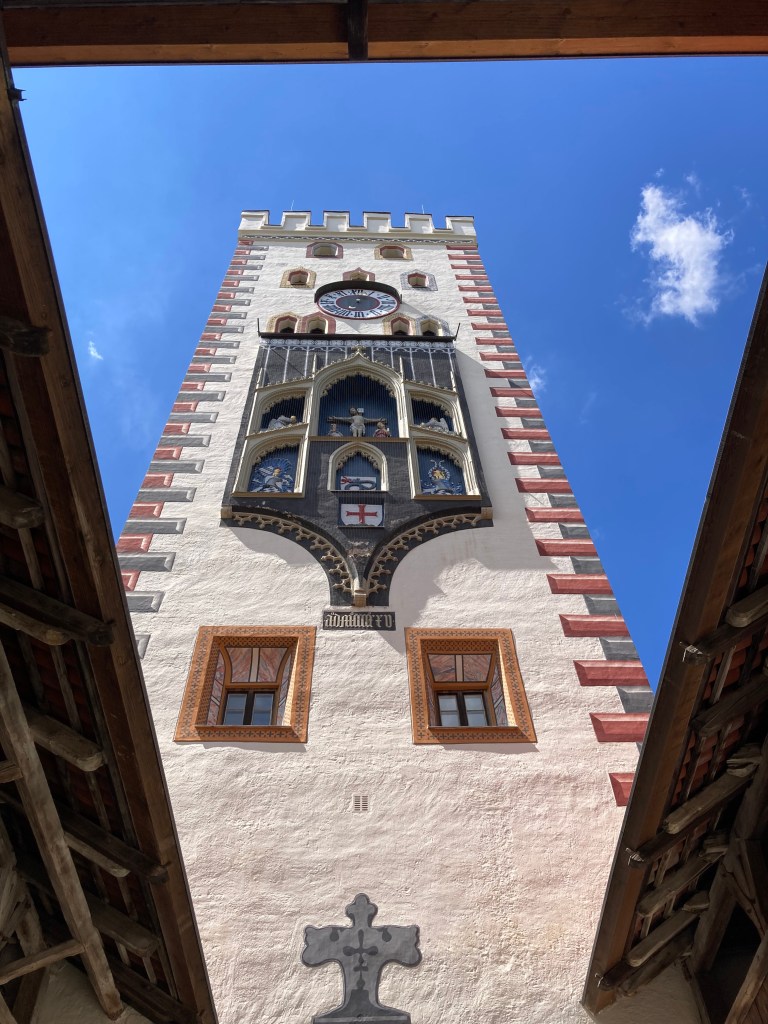
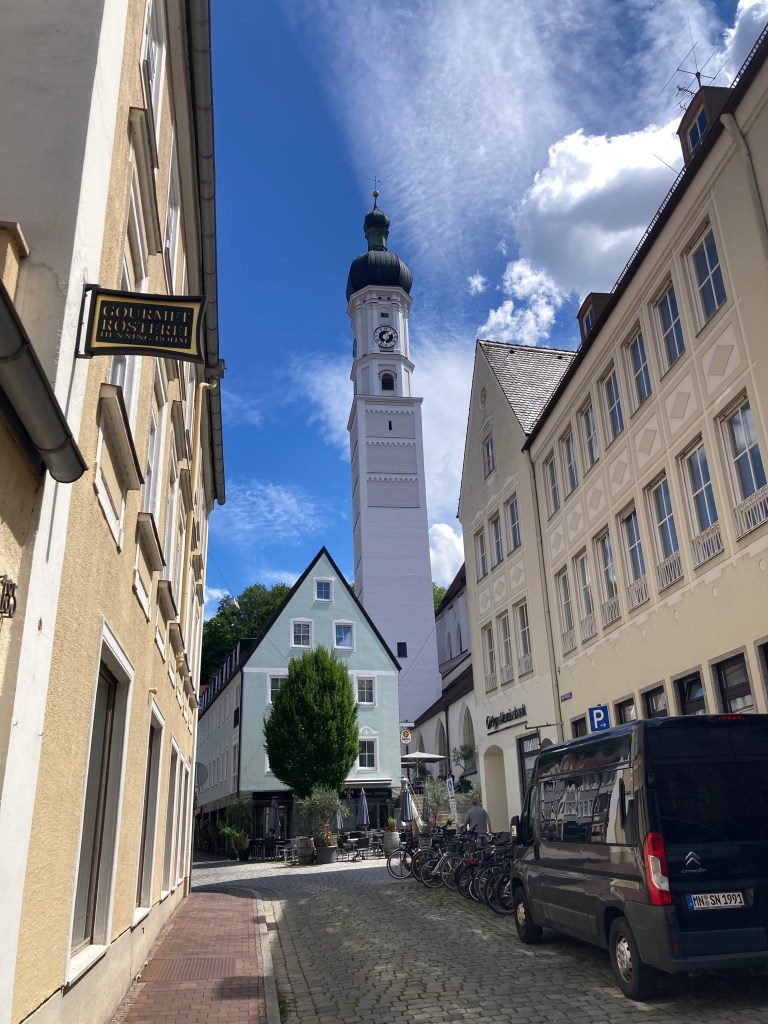
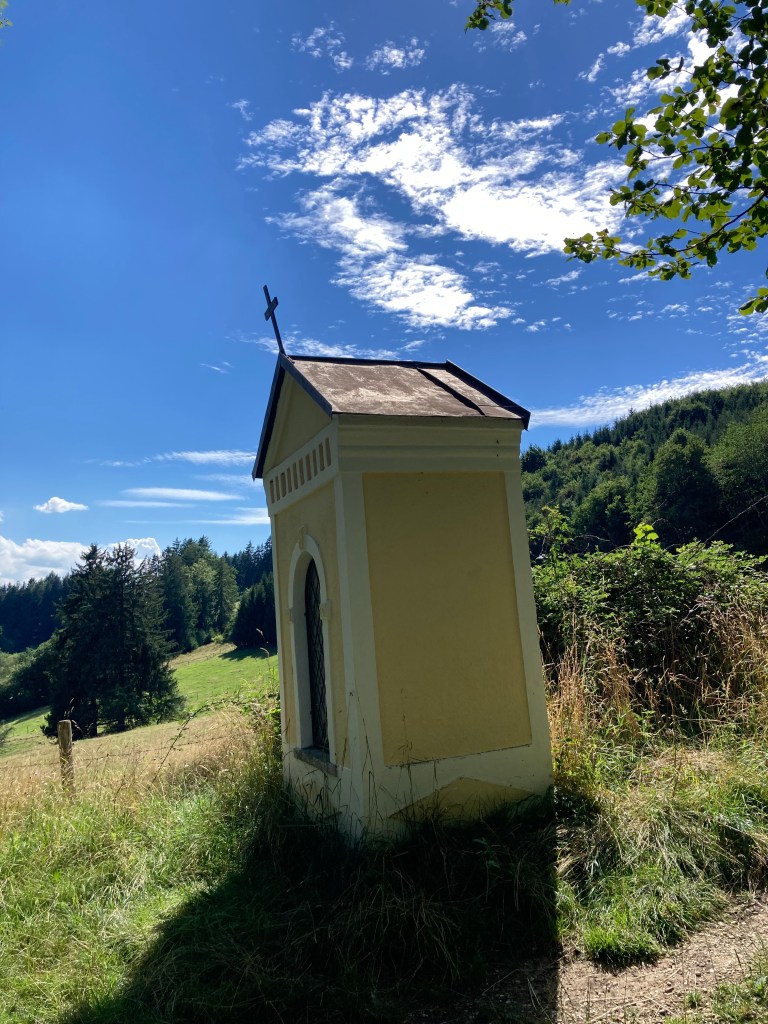
Then on to Peiting. Climbed up to the chapel on the hill — it was built to replace a pilgrimage chapel from another area where people had been displaced (probably Germans), and houses a copy of a statue of Mary and Jesus. I peeked through the window, then walked a calvary path. Thought about heading to the Villa Rustica, but it was over 2km away and I didn’t have the energy.

Visited the main church in town and read a bit about the Roman road (Via Claudia) that passed through this area. Then to Rottenbuch — another walled cloister town. Bought two slices of cake from a very kind woman, then wandered into a stunning baroque church. While I was there, someone started playing the organ — it was just beautiful. I lingered a bit, then walked out the back gate and strolled through the woods and pond nearby. Wanted to keep exploring but needed to move on.

Next up was Uffing am Staffelsee. Poked my head into the church (where I met a cartoonishly cute dog), then wandered down toward the river and old mill. Eventually drove to a lakeside parking area. A German man pointed at my car and said, “That’s wrong.” Pretty much the only English he spoke, but the message was clear. That whole obsession with being correct — I hear “genau” all the time here. It’s very telling, culturally. I apologized and moved the car.


Started walking through the moor trail nearby — so peaceful. At one point I saw a fox! I even turned down my audiobook so I wouldn’t scare him, but when I whispered something, he bolted. Still, magical moment. The whole area was gorgeous, part of a lapwing protection zone.
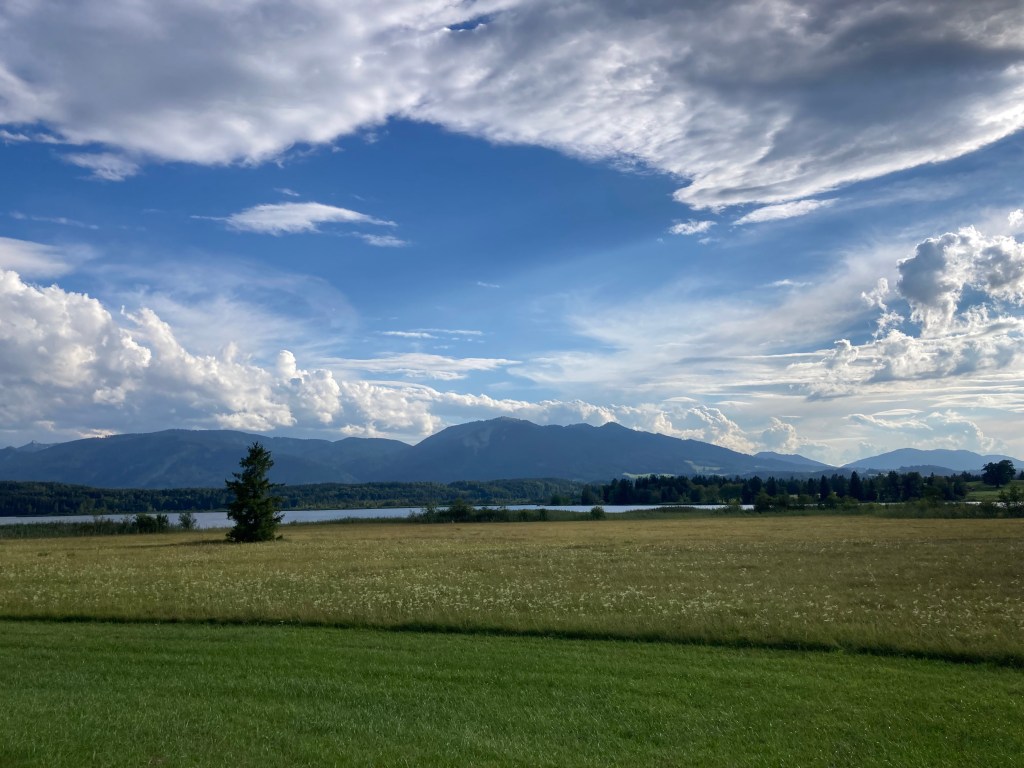

After my walk, I went to Seehausen am Staffelsee. There’s a museum and some traditional farmhouses there. All the locals were out and about in full tracht, just going about their business. I felt super out of place. I was hungry too, so I checked out a guesthouse with outdoor seating and wandered the village a bit before driving to Murnau for dinner. Found a Thai place and ordered curry chicken. Walked the main street afterward and saw a lovely old house being torn down — right next to a graffiti message about gentrification. That contrast is something I keep seeing: wealth moves in, things get rebuilt or erased.


Tried to visit some churches but they were closed, so I strolled a bit, took some nighttime photos, then drove back in the dark and got in at 10:25. Chatted with Anne before bed.
August 2. This morning Anne and I had one of those deep talks — about her dad being a WASP, her Cornish roots, and her mom’s side of the family, and the wealthy Clarke lineage. As usual, I left later than planned and drove back to Landsberg. First stop: that roasterie I discovered yesterday. Then I swung by Michael Dillinger’s for a chocolate ice cream. Caffeine and sugar overload, but worth it.

I decided to head to Füssen via some of the towns along the Romantic Strasse that I’d previously skipped. First stop was Wieskirche in Steingaden — the meadow church. It’s become a pilgrimage site and wow, it was packed. I was especially moved watching a man in a wheelchair listening to the organ music. Another man glared at anyone taking photos — very intense energy in there. Maybe they were all pilgrims?
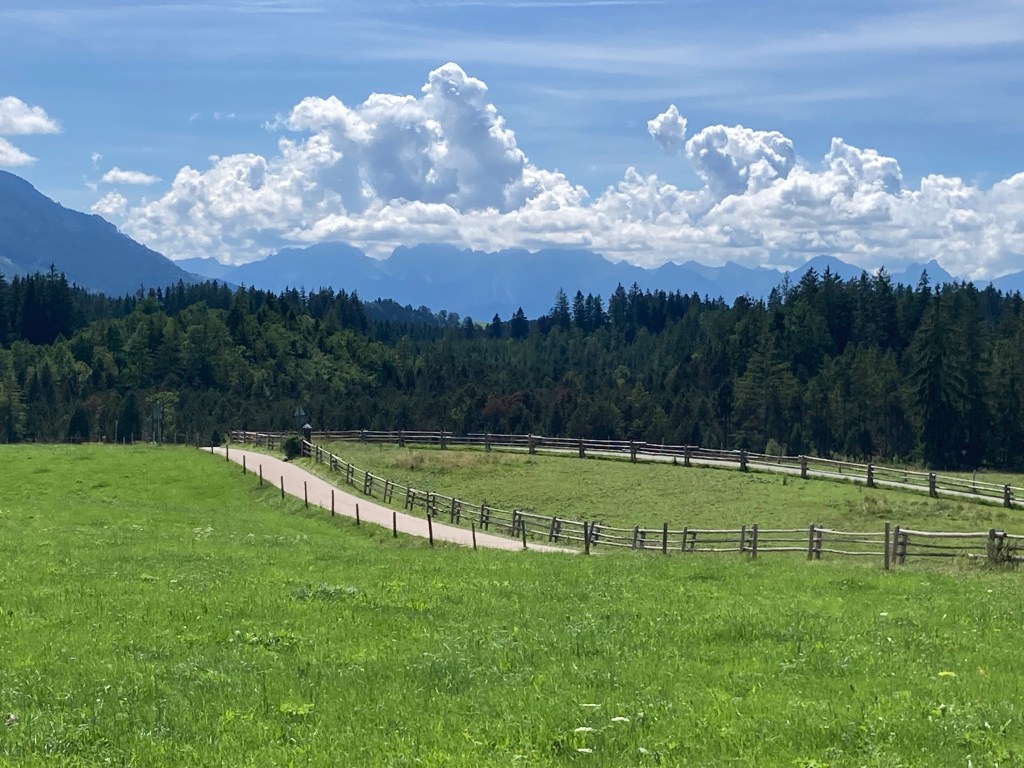


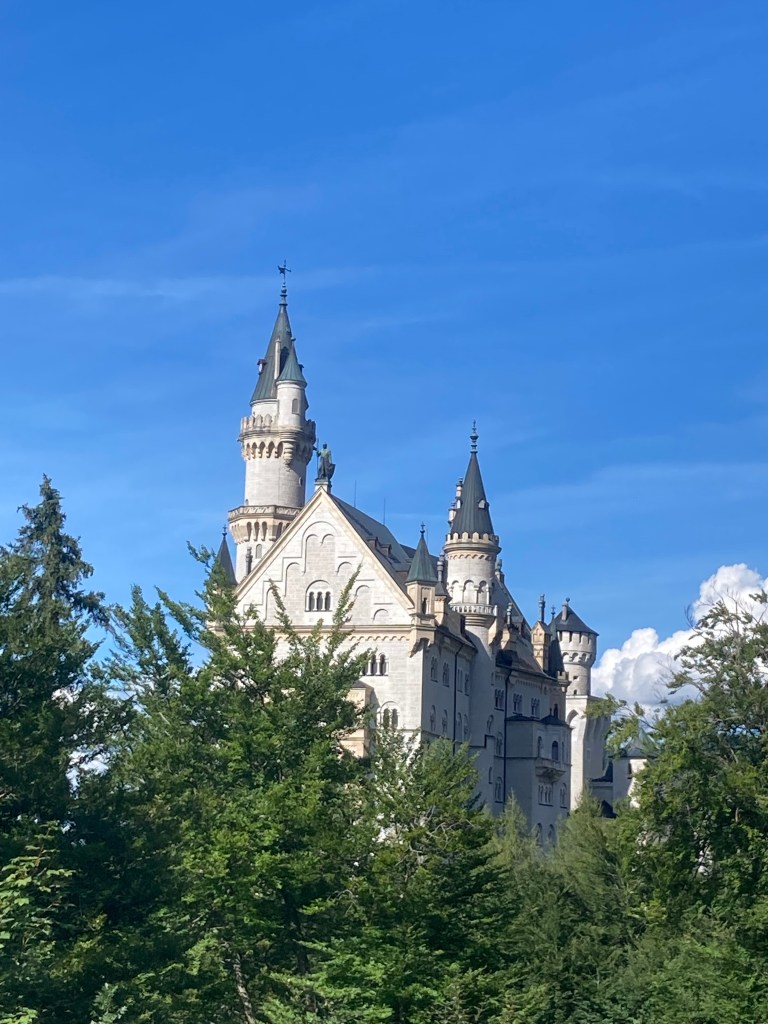
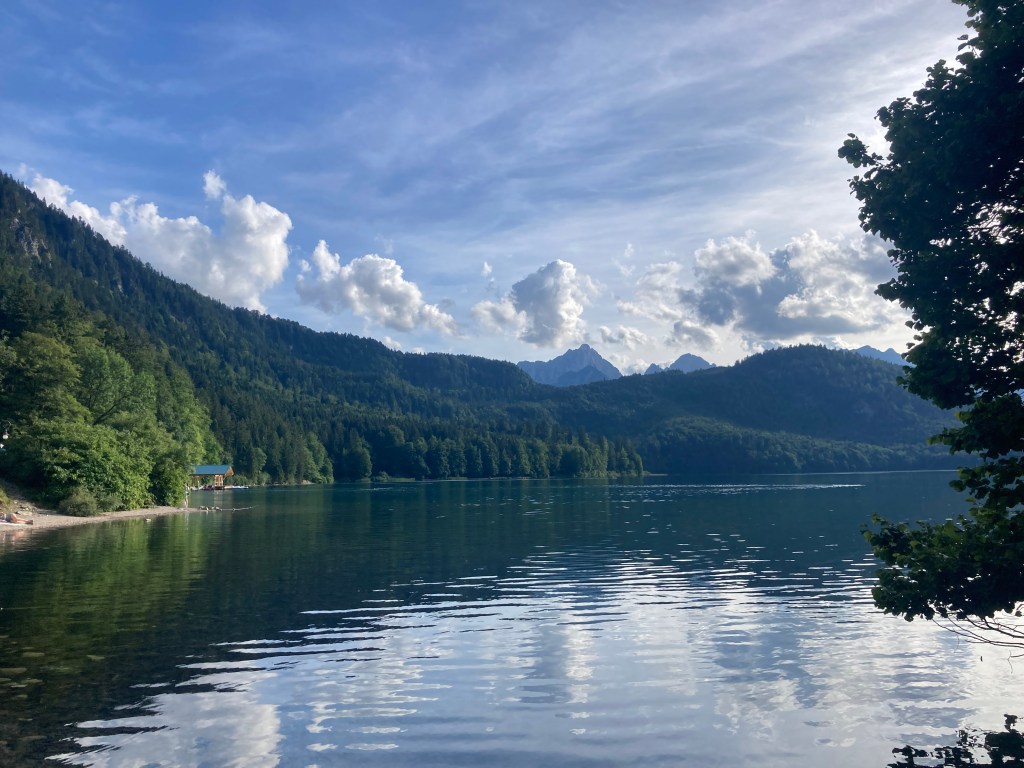
Next stop: Schwangau. Drove past St. Coloman and eventually found parking a mile away from Neuschwanstein. Parked, moved the car, walked the trail. Beautiful weather — crisp air, blue skies, fluffy clouds. Met a sweet French family from Rennes and helped them find the bridge. They made me miss Brittany. Walked up to the bridge myself, debated hiking further up the mountain, but didn’t. The old trail along the river (the one Anne and I took last time) is now closed. Sad. Took photos, then headed down to Alpsee — tons of swimmers out, great day for it.


Back via Seehaus, which still has the feel of an English park from the 1800s. Eventually made it to Füssen. Walked around, got ice cream (obviously), explored the monastery and its castle-like courtyard (now the city museum), watched people with long candles walking along the river path. Crossed the bridge into a beautiful park, talked to my mom, and decided I really need to come back to do the museums and walk the Via Claudia on the other side of the Forggensee — Anne’s suggestion. Drove back, home by 10:30.


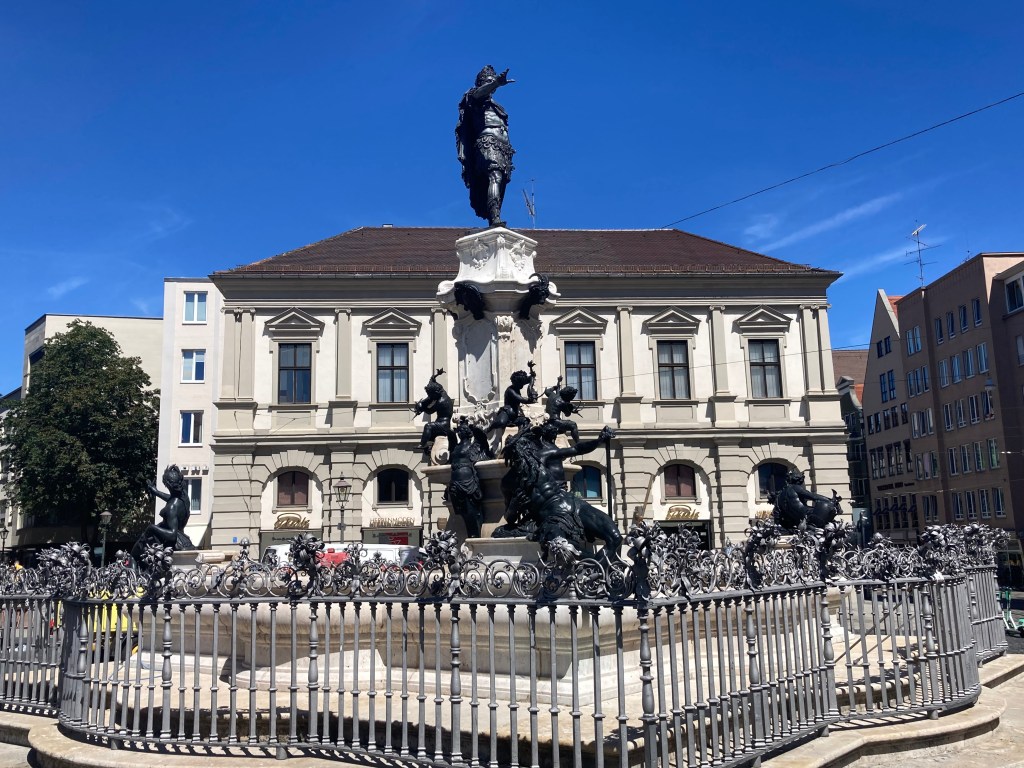
August 3. I was off to Augsburg today. It is a very historic city, being one of Germany’s oldest, founded in 15 BC by the Romans as Augusta Vindelicorum. Due to its strategic location on trade routes to Italy, Augsburg became a thriving commercial hub was designated a Free Imperial City in 1276.

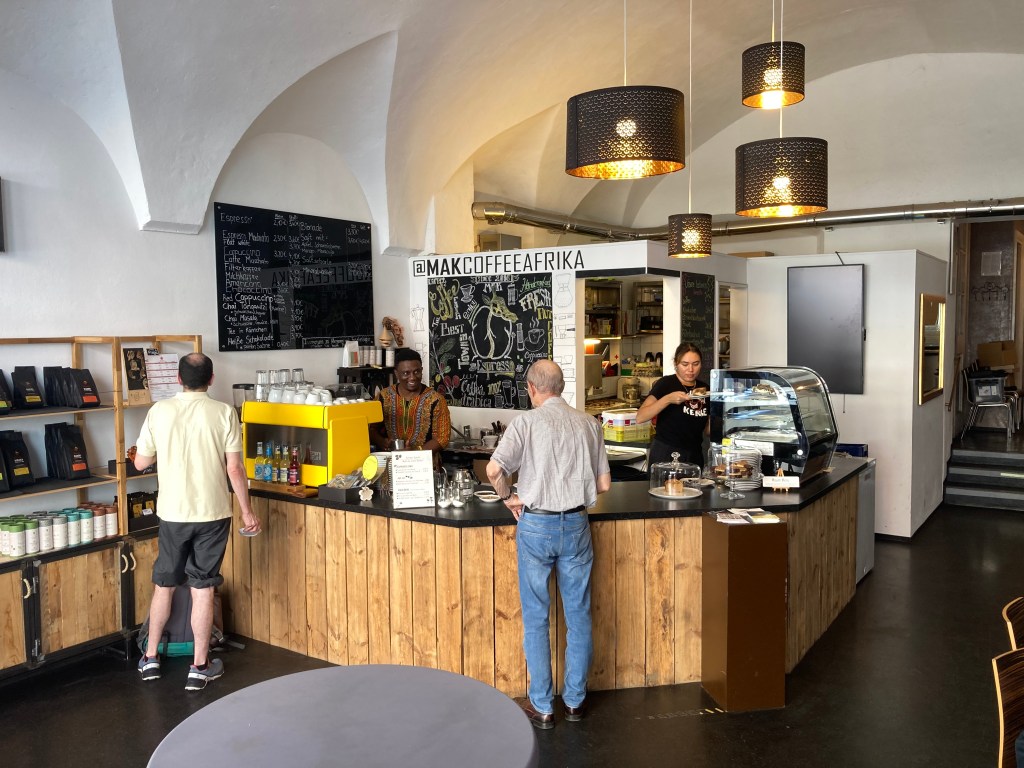
As usual I looked up a good place for coffee, and headed straight to MAK Coffee. I chatted with the owner about his plantation in Tanzania — he plans to return in a week and stay for a month. He started the shop to directly support the farmers and gave me his card.
From there I headed to the Rathaus and Golden Hall. I’d never seen the Golden Hall because I’d been with a friend who didn’t want to pay. I was surprised it was only €1. I expected more. I entered and was bowled over by the lavish rococo decor. The ornate stove heaters and lavish paintings on the walls. So worth it.


From there I checked out the UNESCO water exhibit, learning about Augsburg’s early modern water system. So ahead of its time. A woman pointed out the Rotes Tor, where I found more canals, water wheels, and gardens. I stopped for ice cream at BitterEis — they make their own chocolate too. So good.
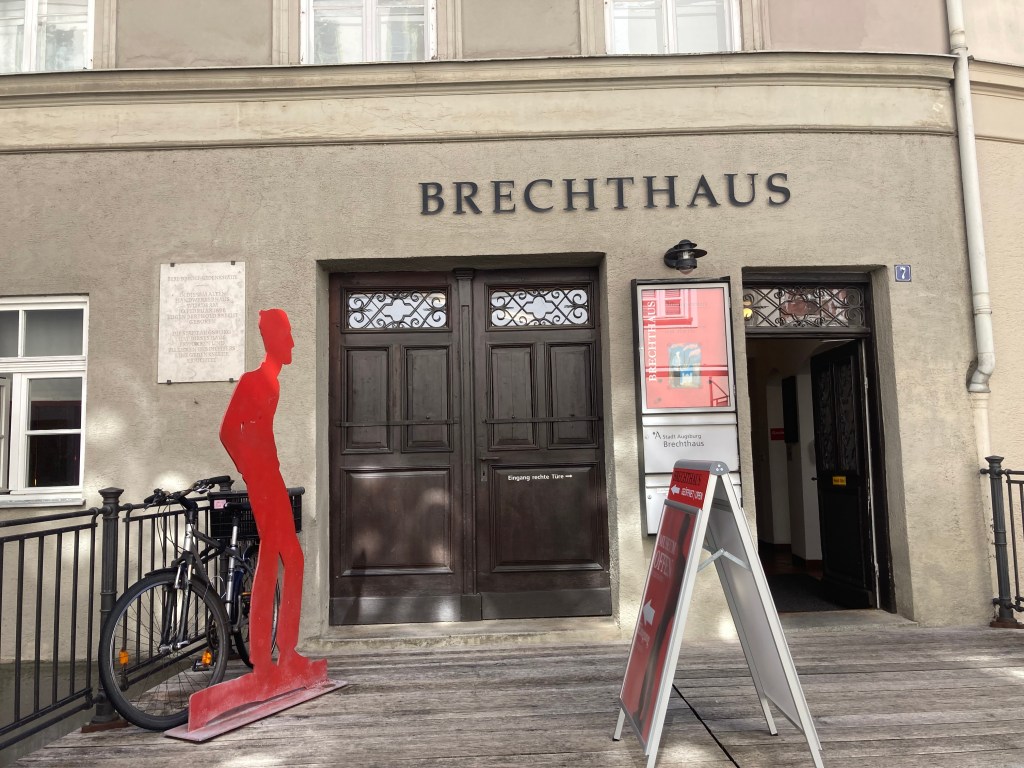
I decided to visit Bertol Brecht’s childhood home which is now a museum. The exhibit addressed his time in Augsburg and later years. Very informative.

I had visited Augsburg and St. Anna’s in 2017. It was the 500th anniversary of Martin Luther posting his theses in Wittenberg, and they had created an in-depth exhibit on his 95 revolutionary opinions and the resulting Protestant Reformation. It was extremely interesting and well presented, and I enjoyed re-reading the exhibition.
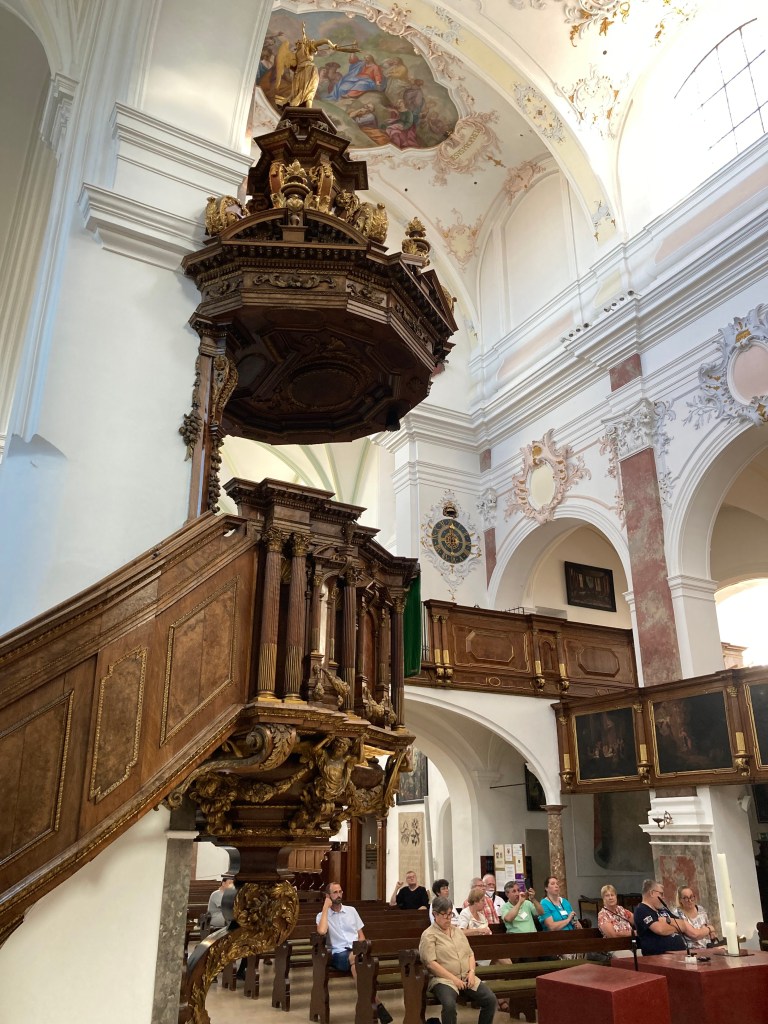


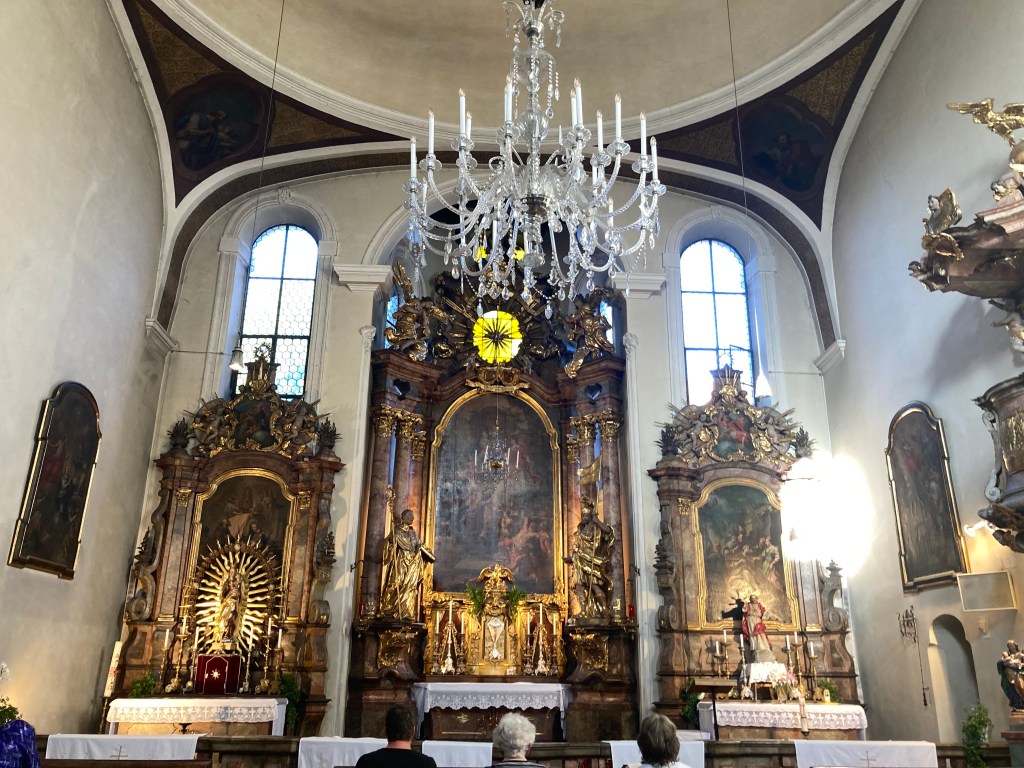
I heard the strains of a choir rehearsing Handel’s Messiah. It was gorgeous. Later I met one of the singers outside who said they had never sung together before that day. Could have fooled me!


I tried to visit St. Ulrich’s but it was closed, so got ice cream at Tutti Frutti as a consolation prize. My phone died as I was trying to find my car. Luckily I had parked near the Kino Café, and was able to ask someone for directions. Made it home by 10:30.
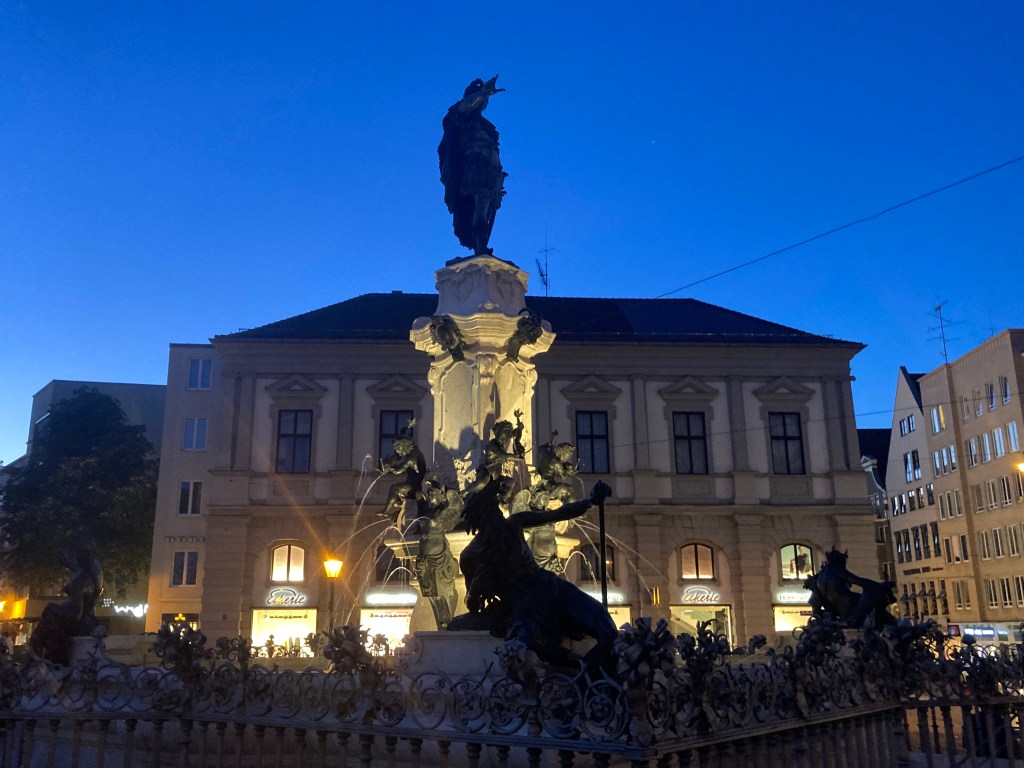
August 4. There was more to see in Augsburg, so I returned. Parking near Rotes Tor was tricky, but I finally found a spot after deciphering some German signage. Walked to St. Ulrich’s again, trying to find the Fugger grave — no luck. Realized later it was at St. Anna’s.

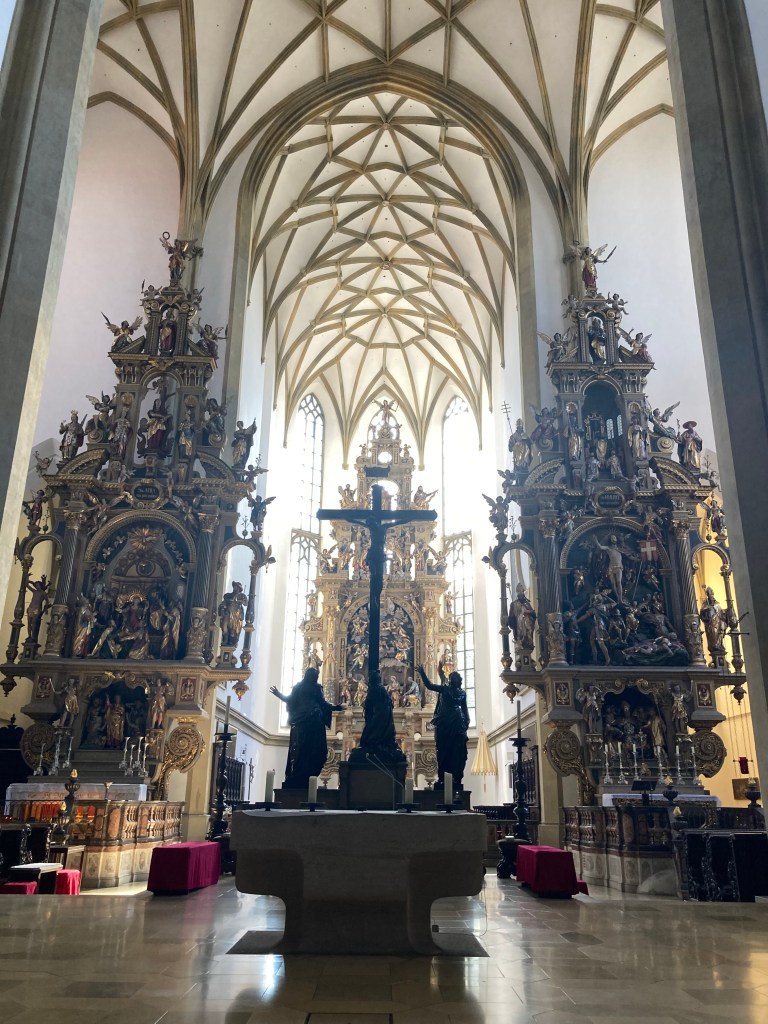
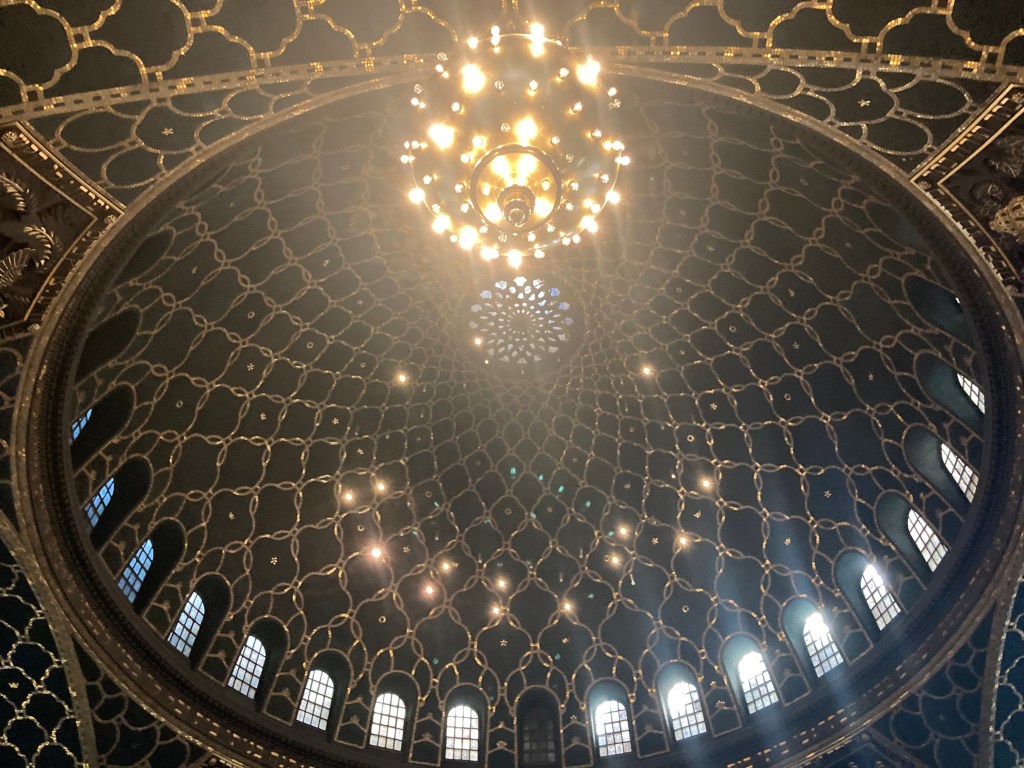
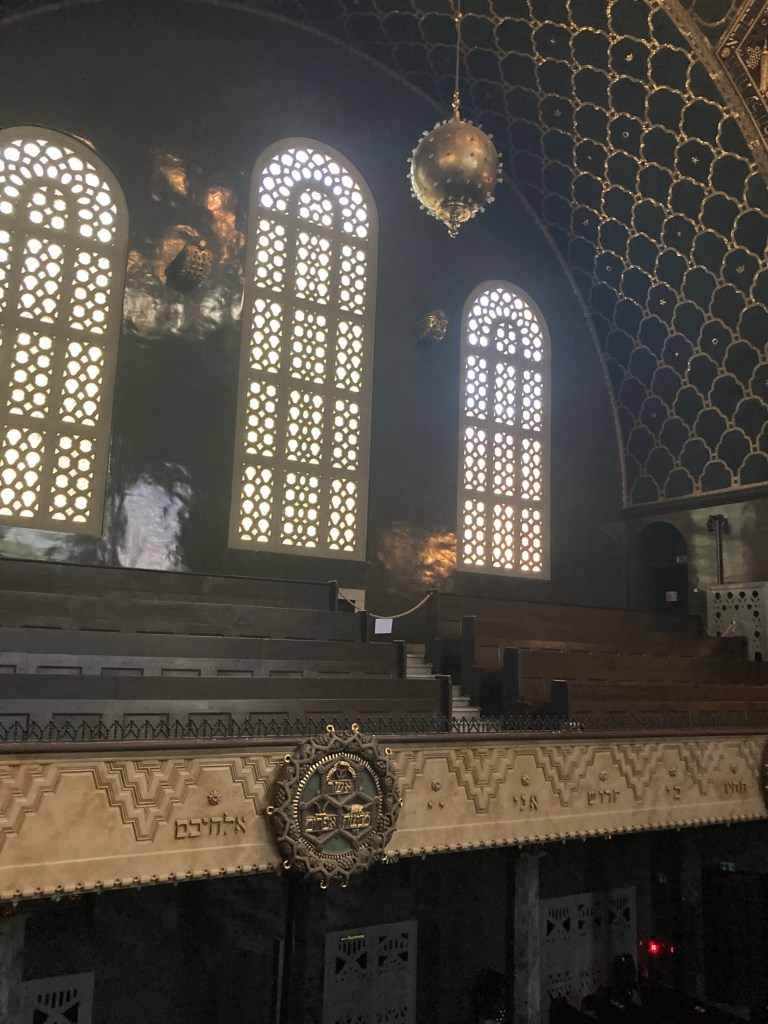
I headed to the Jewish Synagogue where I spent two hours reading about the history, translating as I went. It was incredibly moving and sobering. Got a herring sandwich at the market afterward and went to the Maximilian Museum — beautiful but the audio guide was super quiet. Still, spent 3.5 hours there. Amazing collection.
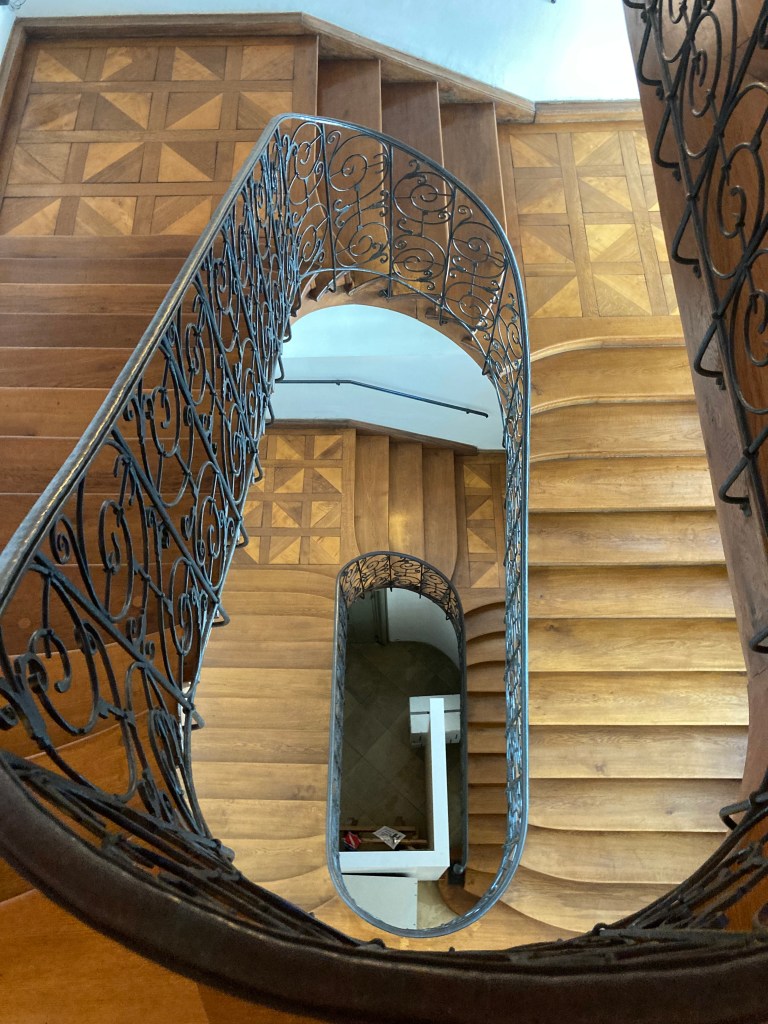
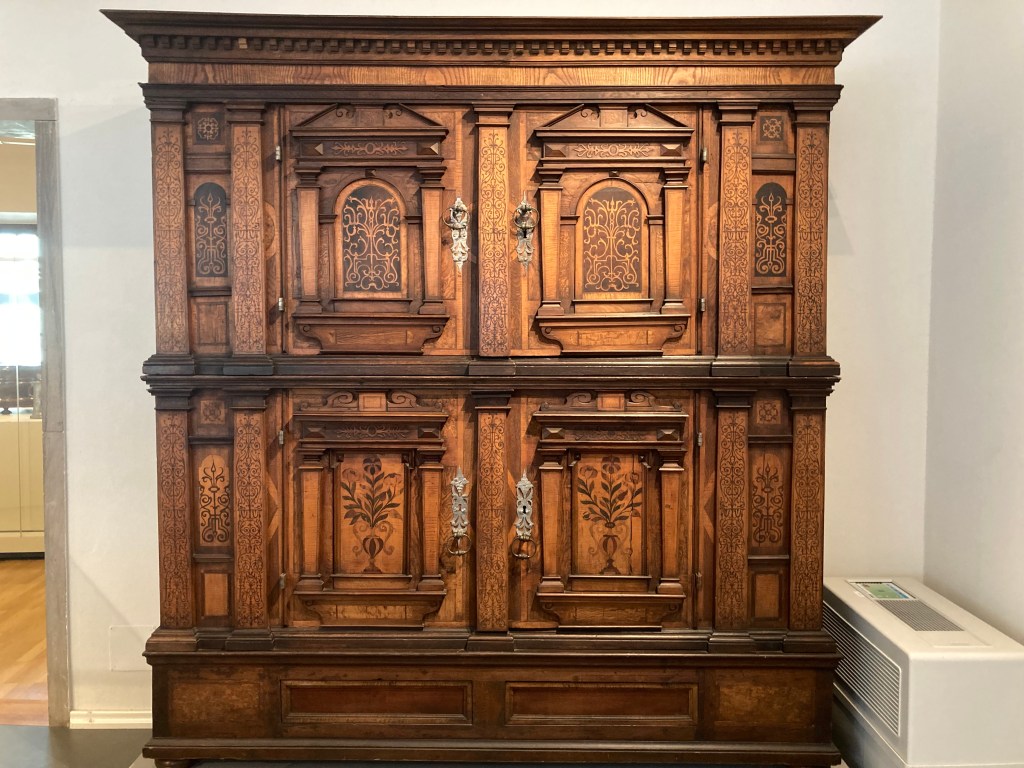
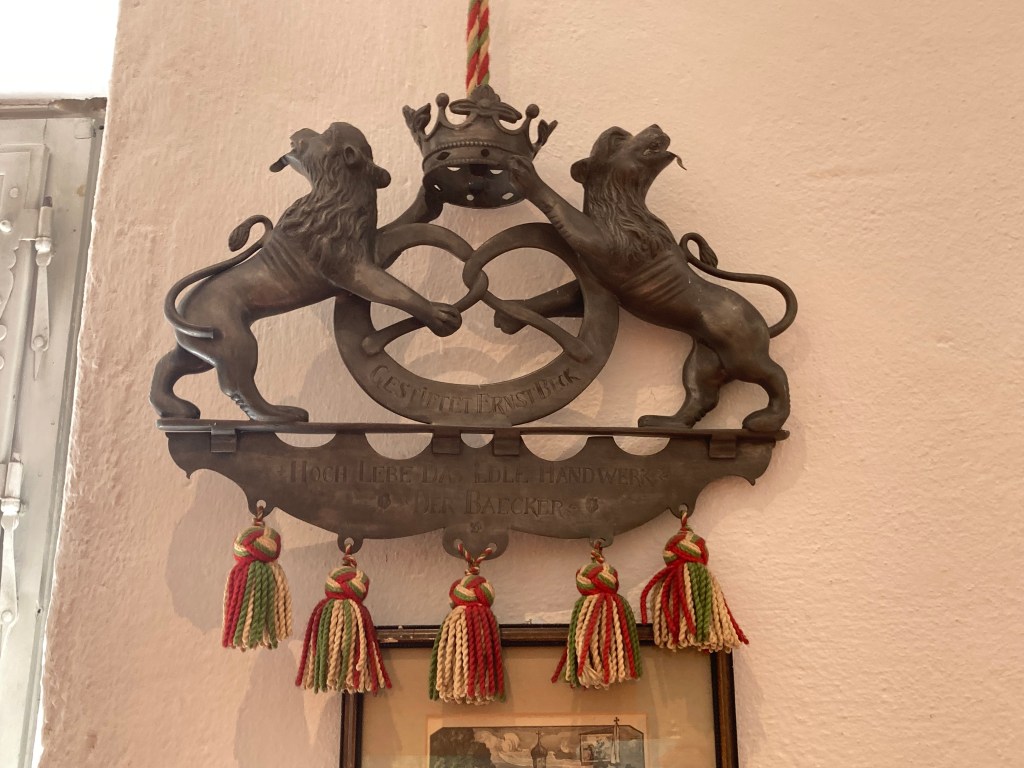
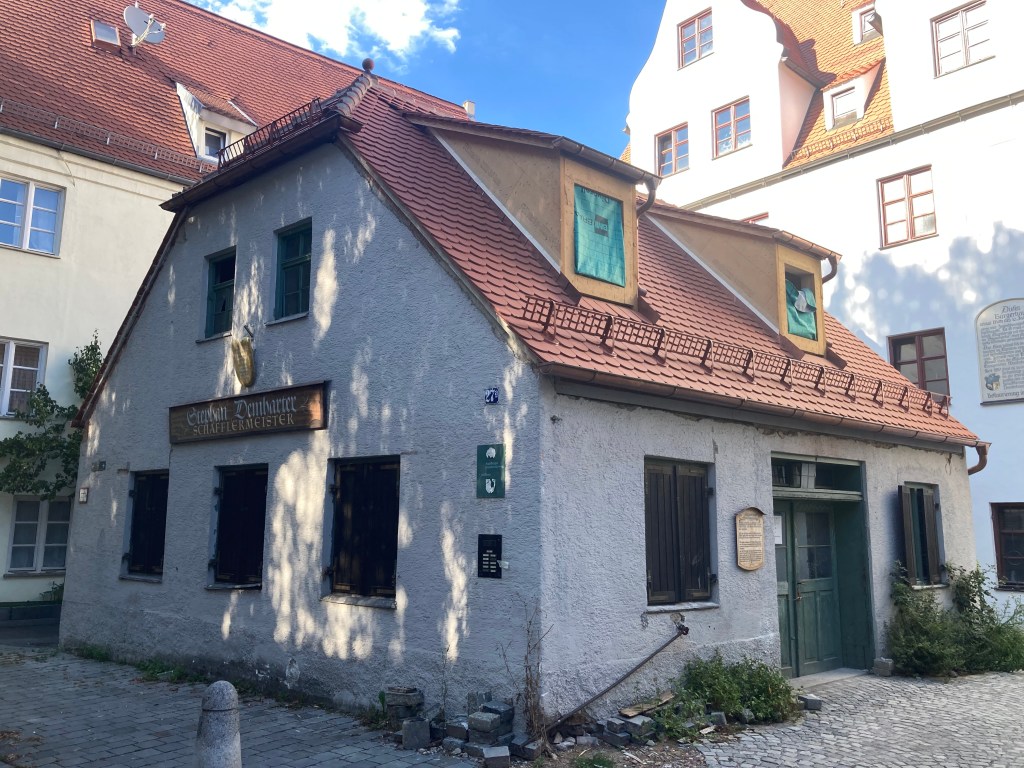
I headed to the Swabian Crafts Museum, mesmerized by the re-created workshops of old craft professions including bathers, saddlers, shoemakers, watchmakers, bakers, bookbinders, and trimmers. Most of these crafts are on the verge of extinction, yet they were brought to life thanks to original furnishings, tools, and working materials.



I fell in love with the Augsburger Puppenkiste, a marionette theater located at the former Heilig-Geist-Spital, Since 1948, they have produced theatrical adaptations of fairy tales and serious pieces. In 1943, Walter Oehmichen founded his own small puppet theater together with his wife Rose Oehmichen (1901–1985) and their daughters Hannelore (1931–2003) and Ulla: the Puppenschrein, a puppet theatre which consisted of a small wooden stage that could be set up in a door frame. The stage was destroyed by a fire bomb in 1944, but the figures remained undamaged – luckily Oehmichen had taken them home. The Puppenschrein was almost completely destroyed by flames. Only one ornament from the original shrine is left.


At first, Oehmichen whittled the puppets himself, but he soon passed this important job on to his daughter Hannelore. She created all the puppets which would soon be well known as the “stars on strings”, whittling her first puppet at 13. The first of her puppets to become famous was The Little Prince (a character from Antoine de Saint-Exupéry’s famous novel). And in the first public performance of the Puppenkiste, Puss in Boots, she was responsible for manipulating Puss. Oehmichen’s wife Rose made all the clothes for the marionettes and lent her voice to many of the mother and grandmother characters.


I was touched by the dedication of the Oehmichen family, against all odds, to offer beauty, art, story-telling, and hope to the people of Augsburg. I walked out onto Anna Street, the street that the marionette theater was on, and delighted in the sweet signs of Oehmichen’s words encouraging people to smile. Somehow he reminded me of the American actor Robin Williams.
I wanted to see the Dom but it appeared closed, so I grabbed a sandwich and ice cream. On a whim, I went back to investigate more closely and found it was open. It was a special service, so I stood quietly at the back. Gorgeous frescoes, big medieval St. Christopher looming on the wall. Outside were old Roman ruins, and I wandered into the bishop’s Hofgarten, which was full of people enjoying the water features and flowers.


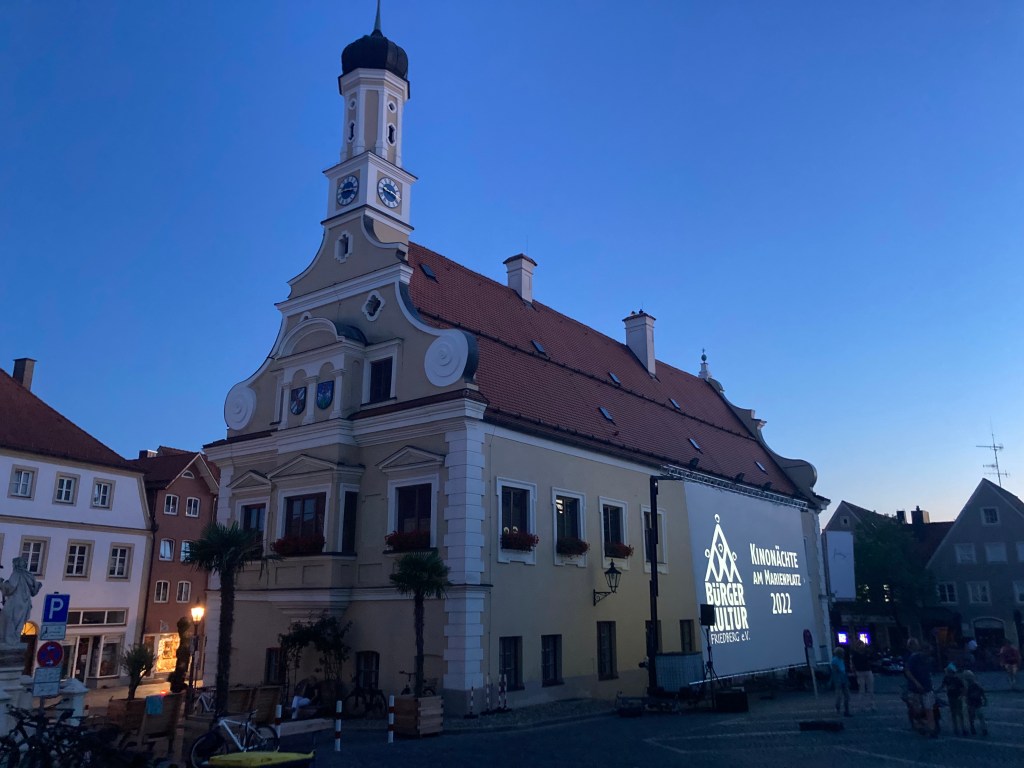
I finished the day in Friedberg — not super exciting, but there was some kind of cultural event going on. People were seated outside the town hall watching a screen. Apparently, the town hall was designed by one of Holl’s apprentices. I chatted with Anne when I got back, letting her know I’d be leaving tomorrow.
August 5. I spent the morning packing and writing travel notes. I was sad to bid Anne goodbye and reluctantly headed to Landsberg, where I took one last walk along the Lech to the spring-fed pool.
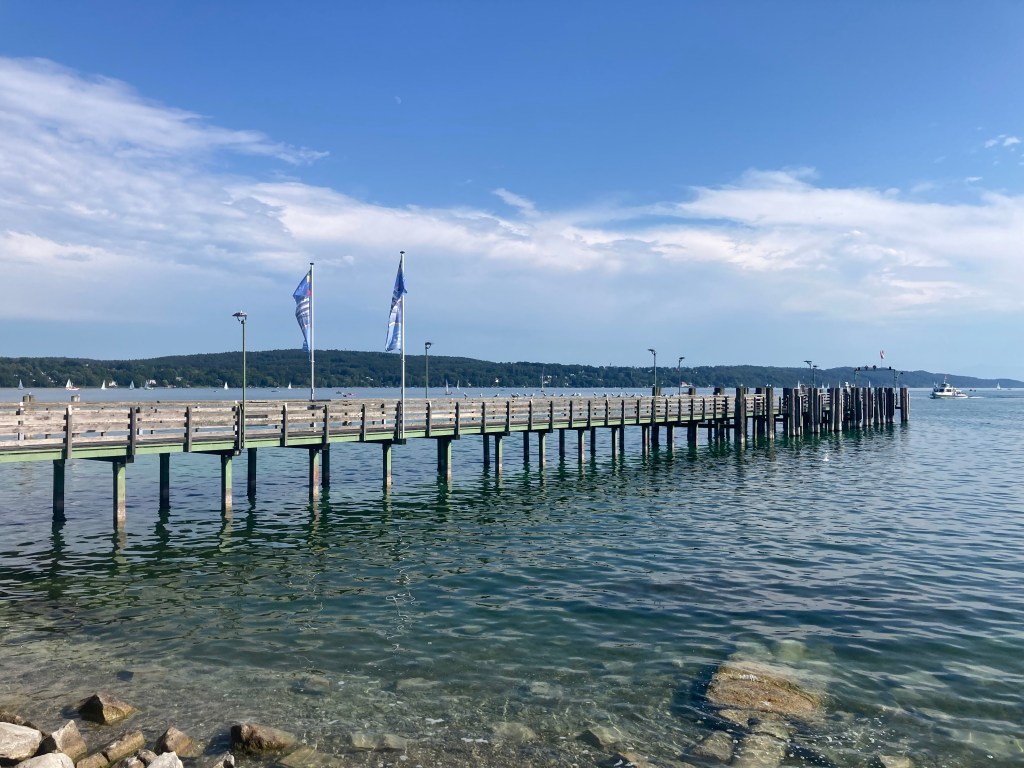
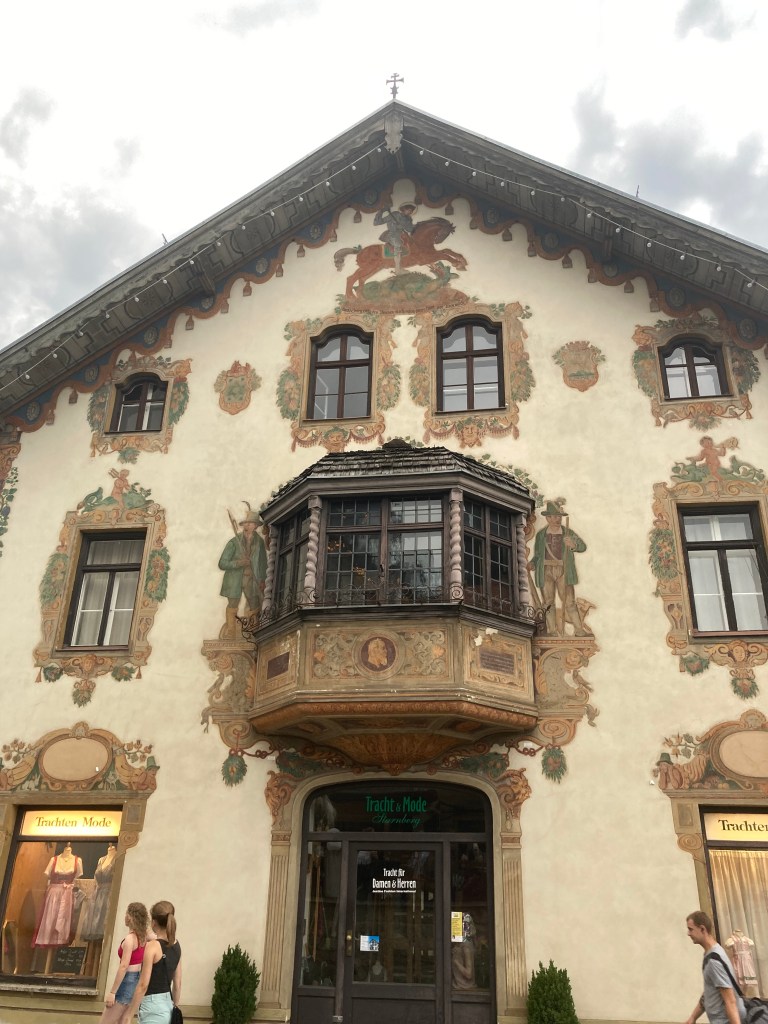
At 3:30 I headed toward Starnberger See. I had to walk a couple of miles to get to the small town of Starnberg at the northwest corner of the lake. The lakeshore was packed — and I regretted that I’d forgotten my suit as it was a hot day. Germans love swimming in fresh water (and salty, for that matter). Starnberg was a small village, and I enjoyed the ambience —the old buildings, a Schloss, a hotel, some historic facades. I walked by a funeral at the church and didn’t go in out of respect — people were visibly grieving, and I didn’t want to intrude.
Visited a museum and saw some old fishermen’s cottages that used to have beach access before the railroad cut things off. Learned more about Ludwig II and the mystery surrounding his death. I feel sad for him.

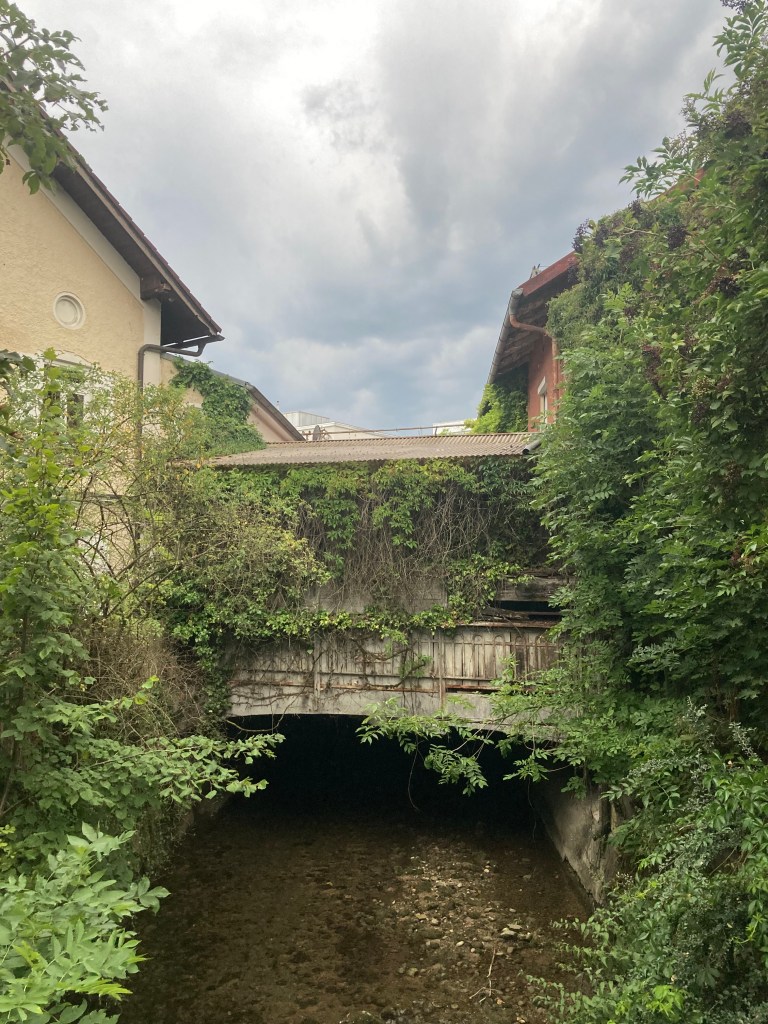
I headed to my friend Jennifer and Ralph’s around 8 just as it started raining. They are transplants from the SF Bay Area, and love their new home in Munich. It took an hour. Ralph helped me bring some of my things in and we had a nice conversation for a few hours. It was good to see Ralph again, and I met Lorena, her stepdaughter. She’s been in Germany since October and is trying to get a visa. She has some disabilities, and they’re waiting to hear back. It was a hot day in Munich, so the thunderstorm was welcome. Only downside was a chain-smoker nearby who kept filling the apartment with smoke. I eventually closed the living room door — I’ll take heat over cigarette smoke any day.
 Lisa Karpinski